

From the series: “Behind the lens: Sara Filipa Weddings
1. How to choose the right wedding photographer?
I believe that choosing a wedding photographer is one of the most difficult decisions when planning a wedding. The reason for this is that photographs are memories that last forever, and we certainly want them to be beautiful ones. I consider style and approach to be the most important factors when selecting a wedding photographer.
Many engaged couples are not even aware that they have a preferred style and that they should narrow down their choices based on it. To start, it is worth considering whether they prefer an editorial style, a documentary approach, or a combination of the two—and, of course, which type of image editing suits them best. Every wedding photographer has a distinct style, so it is important to identify what appeals most to you.
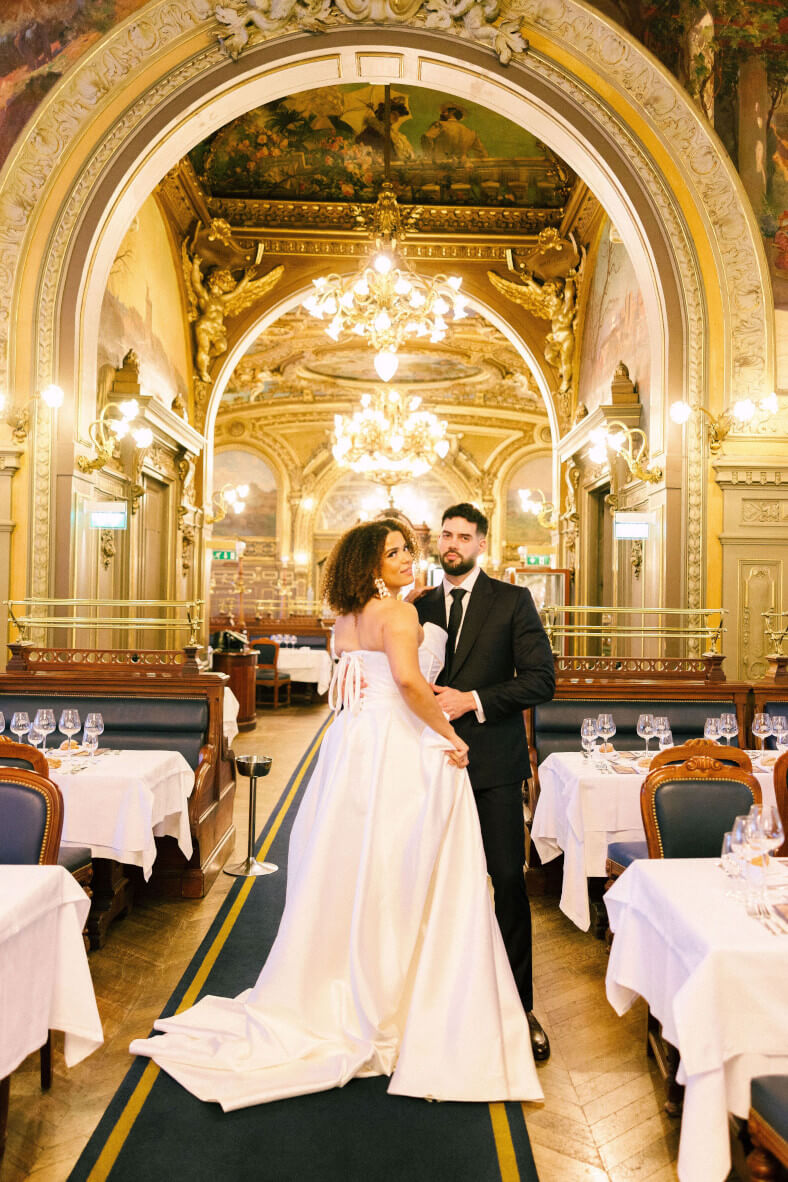
After that, I suggest asking the photographer for a few online galleries so you can get an idea of their work and know what to expect.
Then there is the approach. Personally, I never confirm a wedding booking until I’ve met the couple—and they’ve met me. I believe it’s crucial to build a relationship before the big day so that, when the time comes, I’m not just the wedding photographer but also a guest. In other words, it allows the couple to fully relax and feel comfortable interacting with the person behind the camera. A photographer is with you all day long, so I think it’s important to know the person behind the emails and the booking arrangements.
2. How can the bride and groom best explain what they want?
As I’ve already mentioned, I always hold a meeting—online or, ideally, in person—where I ask questions they might not have even considered yet. However, what wedding photographers love to see right from the initial inquiry is who is behind the request, as well as your vision and a rough outline of the wedding schedule.
In other words, an inquiry that includes as much information as possible about the wedding, as well as the details that shape it. We aren’t robots who simply send out price quotes; we are people who genuinely want to listen and provide the best possible service.

3. Do you like it when the bride and groom bring inspiration photos?
It is rare for someone to bring along inspiration photos, but I have absolutely no problem with it. I love seeing how you envision your day and preparing for it as best I can. Inspiration photos reveal a lot about personality and are certainly not a hindrance; however, what I love—and the reason people hire me—is the freedom of expression through photography. It is important to keep in mind that inspiration photos can never be replicated one-to-one. I love listening to the couple’s story and telling it authentically, whether or not I am drawing inspiration from their examples.
4. Snapshot list – what do you think about it?
I always like to have a precise schedule—though it is rarely accurate to the minute unless an organizer or coordinator is present. However, I go over the timeline with the bride and groom and create a shot list; this ensures their day runs as smoothly as possible while also capturing important moments they might not even notice amidst the excitement of the day.

5. Do you prefer working according to a precise list, or do you prefer spontaneity?
My work is a combination of documentary and editorial approach. What exactly does that mean? I often work with newlyweds who are not in the habit of taking photos, nor are they considered photogenic – and in that case I am here to guide them as much as possible when creating joint photos, showing real moments and those in between.
On the other hand, I am fully dedicated to documentary-style photography throughout the day—present in moments where no one sees me, capturing shots of significant, intimate moments. Even if the bride and groom are spontaneous, it is still a good idea to set aside time for specific shots that aren’t necessarily spontaneous—such as those with family, just the two of them, and so on.
6. What key moments do you always capture at weddings?
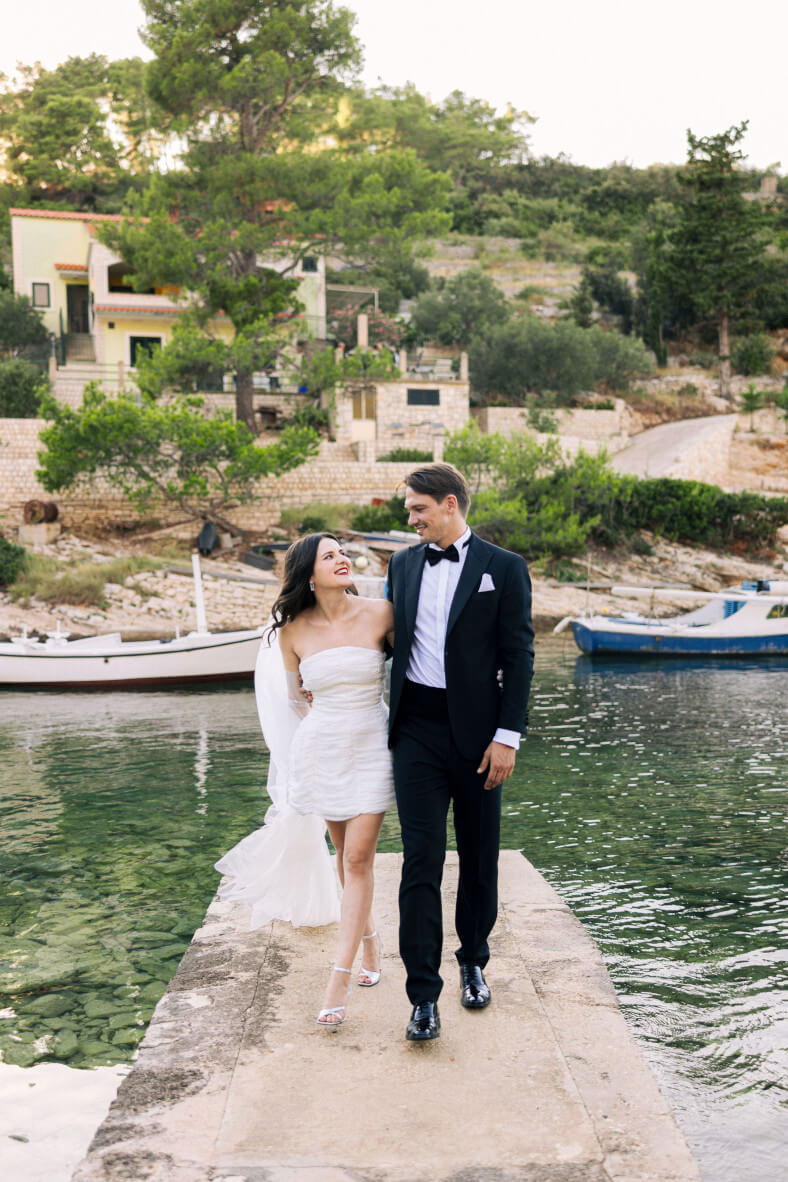
I cannot single out just one key moment from the wedding itself, as I believe that a documentary approach allows for multiple such moments throughout the day. However, I always capture the essentials—the couple’s first look (if they have a private moment together) and all the key parts of the schedule—as well as the photos I already mentioned: shots of the couple and family portraits.
7. Do you already have a sample list prepared for the bride and groom who don’t know what they want?
Drawing on years of experience working with couples—especially those unsure of what they want—I always have specific photo concepts in mind. I carefully assess our location and the elements of the day we can utilize, so that when the time comes for the photo session, I know exactly what I want to achieve and can work efficiently.
8. What does the booking process with you look like? Do you hold a meeting, and what do you ask the future bride and groom during it?
After receiving an inquiry, I suggest a meeting with the couple—either in person or online—to go over all the questions together, remind them of details they might not have considered, and ultimately get to know each other to see if I am the wedding photographer they are looking for. Sometimes, during our conversation, I realize that my style might not be the right fit for them; in such cases, I am more than happy to recommend a colleague whom I believe would be a better choice.
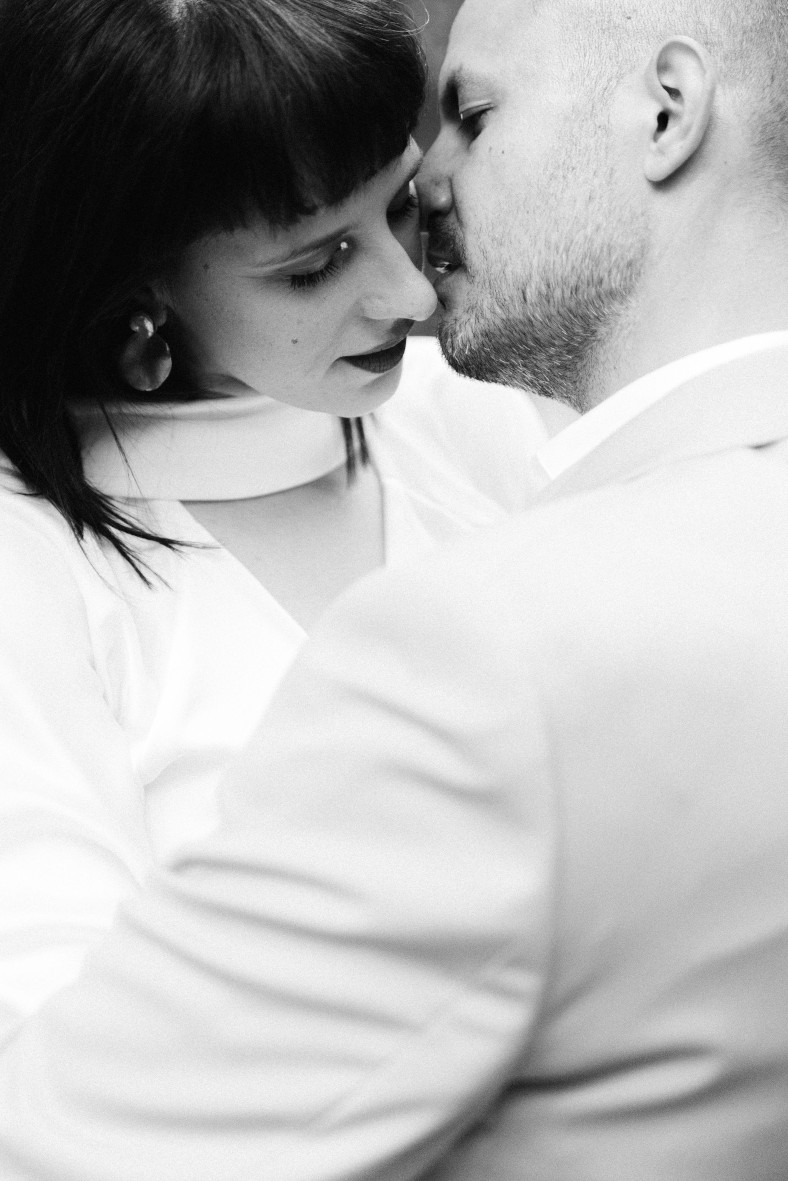
Of course, moments like these aren’t common, since couples usually come to me specifically for my style, but there are certainly those who might not know exactly what they want. I ask them everything about their wedding—roughly how they’ve envisioned it—but also about their story, because I aim to convey that later through the photos, capturing something that is uniquely theirs.
I love hearing those details and incorporating locations into the shoot that are personally significant to the couple and lend themselves well to photography. Although every city has its “famous” photo spots, I always try to avoid them in order to create something different, more authentic, and truly aligned with each couple’s unique story.
After the meeting, the booking period begins – i.e. payment of the deposit and signing of the contract. The contract is needed so that they and I have everything in one place and are legally protected. It is important to me that everything is communicated and stated, so that there are no misunderstandings later.
I remain available for any questions, arrangements, or advice, and during the final week, we go over all the details together once more to prepare for the wedding day itself.
9. What does the wedding day look like from a wedding photographer’s perspective? When do the bride and groom usually have their photos taken alone?
I love being involved in the overall planning of the day precisely because of moments like these. Since different times of day have their own pros and cons, it is important for me to point out that the results will differ—say, between noon and sunset. Or, in the case of a winter wedding, I might suggest taking photos before the ceremony anyway, just to ensure we have some daylight to work with. Personally, I prefer photographing the bride and groom after the ceremony, as that is when they are most relaxed and have the most time.
However, in some cases—such as when the couple is more relaxed or it is a smaller wedding—I suggest taking the photos earlier so they don’t have to do it later. Everyone is different and has their own preferences for the day, so I don’t like to force anything. There are situations where the couple doesn’t want to set aside too much time on the actual wedding day, opting to schedule the shoot for another day instead; then there are those who love photography and are open to new challenges, allowing for more time and creative freedom. Both options are perfectly fine, as the day is all about them; I strive to accommodate everyone’s wishes while ensuring the best possible service—delivering something that will last a lifetime.
10. What schedule do you recommend so that we have as much time as possible for wedding photos?
The couples I work with usually share a similar profile, and I truly never have trouble discussing these kinds of things. It is important for me to know their priorities for the day, but I also like to emphasize that some details ultimately don’t matter and that it’s best not to overcomplicate things. Having gotten married myself this year, I have an even better understanding of every aspect of the day and how little we actually think about anything while it’s happening. That is precisely why it is crucial to communicate everything upfront and, of course, remind them of specific points throughout the day.
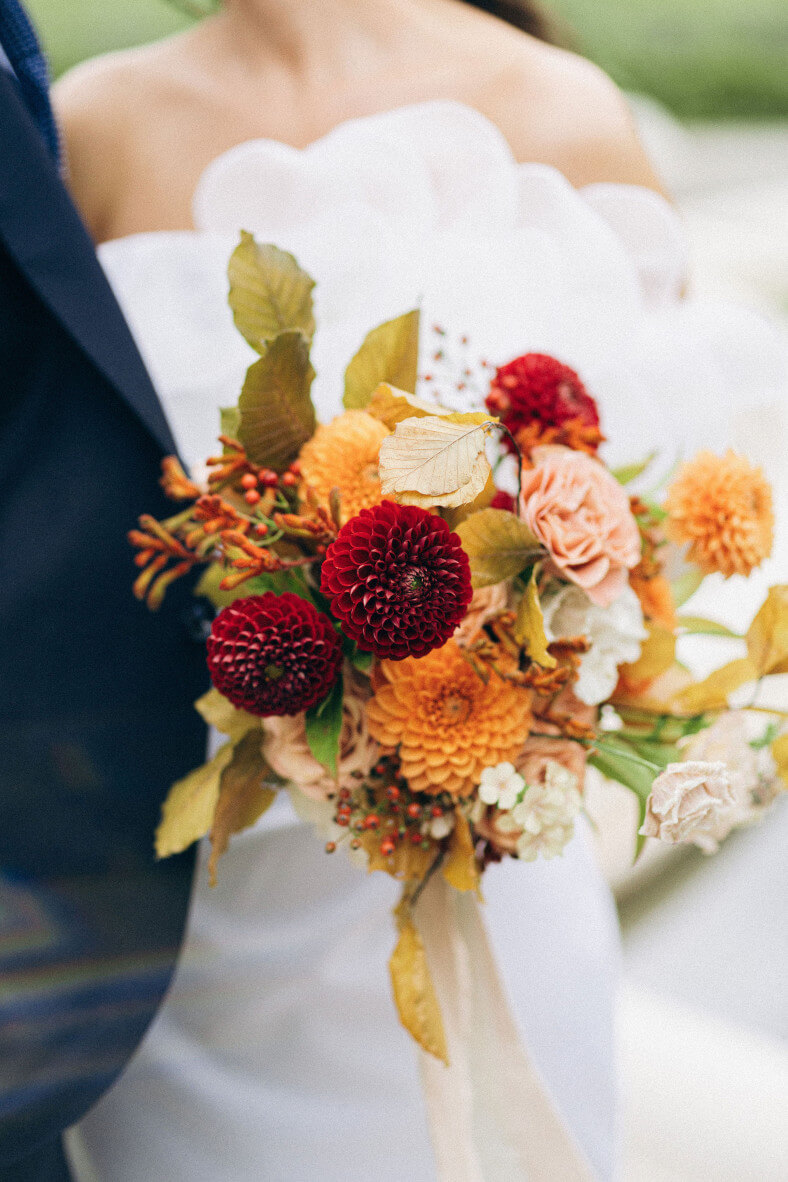
Ultimately, the bride and groom decide on the schedule; however, to ensure you have more time for wedding photography in general, I recommend organizing in advance certain things that tend to take up the photographer’s time. This includes preparing the rooms where the photos will be taken upon the photographer’s arrival and getting details ready beforehand—such as jewelry, the wedding dress, the suit, and so on. I also strongly recommend being mindful when scheduling your preparations, as there is always a risk that things might not run exactly on time.
Likewise – include a drink, a welcome meal for the guests, because during that period you would have additional time for photography. In the end, it is important to communicate everything with the photographer/videographer, so that we know what and when to expect, and to point out some little things that can be of great importance that day.
11. How much time is needed to photograph the two of us?
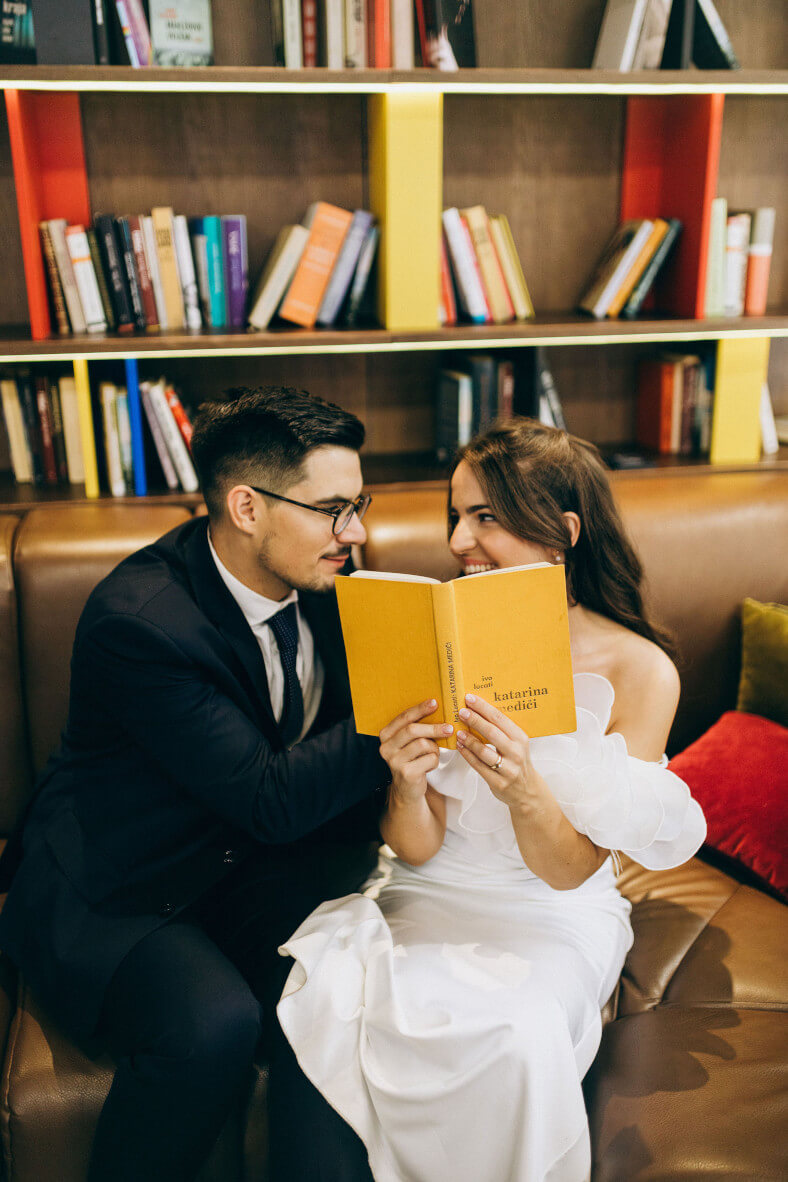
Ideally, you should set aside half an hour or an hour. It doesn’t have to be done all at once—it can be spread out over the course of the day—but we need to create and ensure enough space for everything.
12. Do you have any advice for the bride and groom on how to get better wedding photos? How can they relax in front of the camera?
As I’ve already mentioned—get to know your photographer first. There is a world of difference between talking to someone, going over every detail together, and staying in touch, versus meeting them for the very first time on your wedding day. I believe that the spontaneity every couple strives for stems precisely from building a rapport before the actual shoot. Not every photographer is the right fit for every couple, and that is perfectly fine. Find someone with whom you can envision yourself feeling relaxed and completely like yourself; this allows the photographer to guide you better in front of the lens and achieve fantastic results—even if you never considered yourself photogenic before. A wedding photographer is there to bring out the best in you and put you at ease so that you feel completely comfortable.

13. Is there anything we should avoid during the photo session?
Little things like chewing gum—haha. Seriously, though, small details can really make the actual photo session more difficult. Don’t let your mind wander to other things while you’re being photographed; instead, enjoy the moment. Worrying about other matters won’t help in that situation, so leave your phone elsewhere and pay attention to the details—by which I mean empty pockets, a neat hairstyle, makeup, or whatever else makes you feel your best.
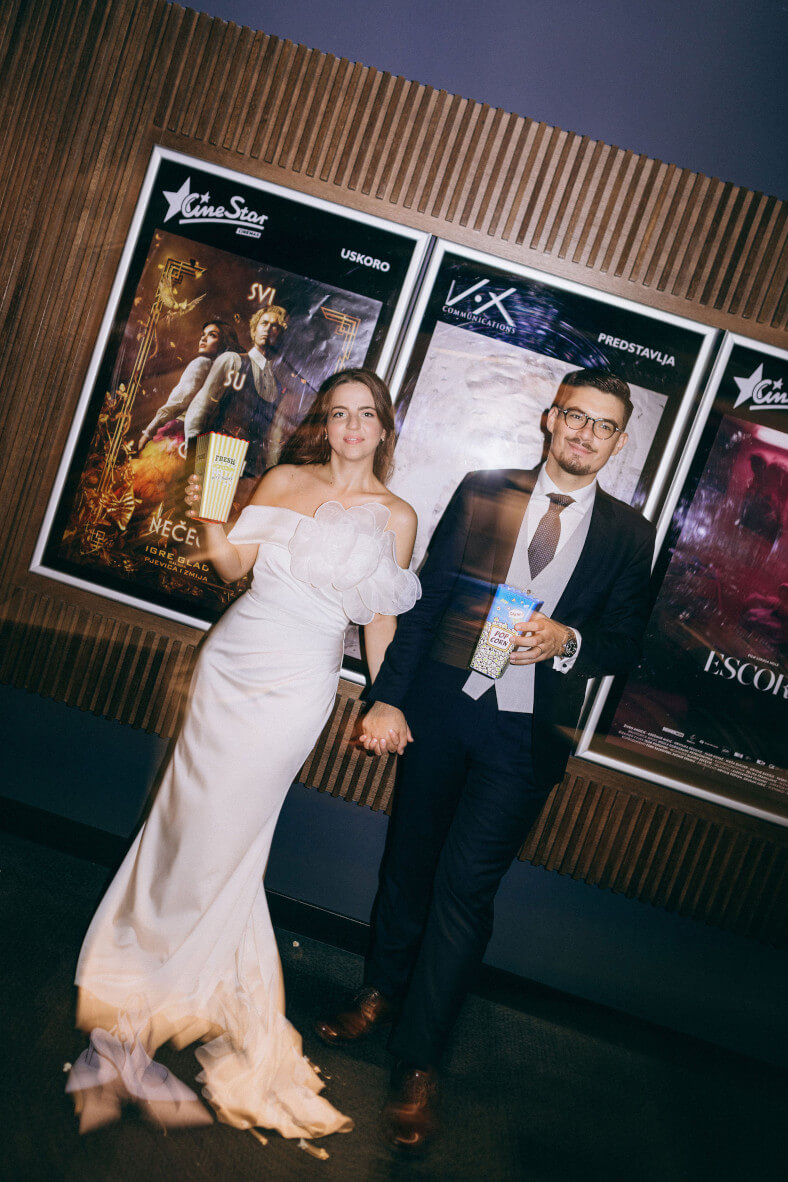
14. Can you tell us an interesting story from a wedding you photographed?
There were a few mishaps that were really funny and embarrassing at the same time, but I’ll leave those for another time, haha. What is generally interesting to me is that newlyweds from complete strangers often later become my friends and I follow them further through life, both through photography and through socializing. I love building a relationship that goes beyond just that day, and for me, that is truly the best part of it all.